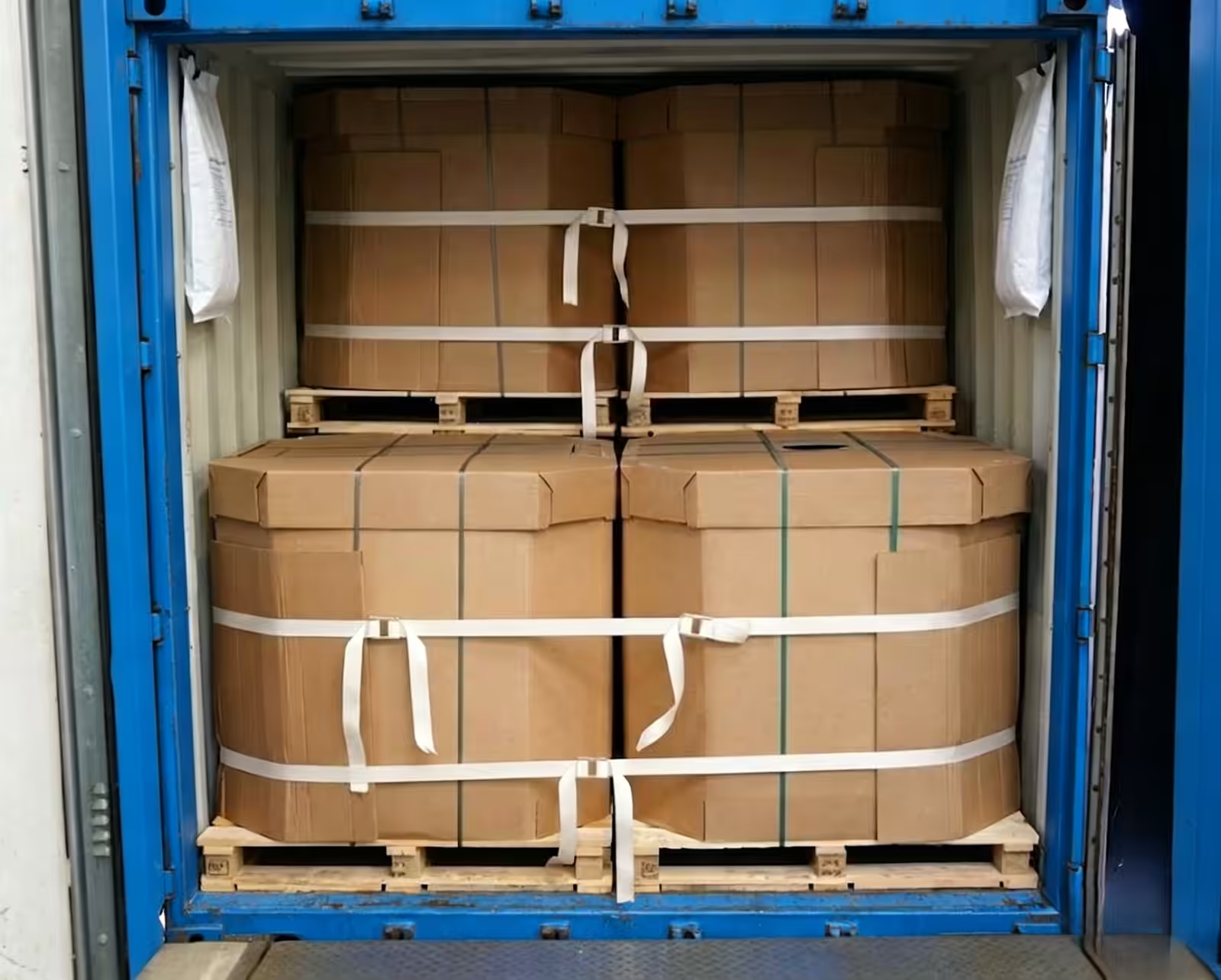
Opening a shipping container is usually a routine operation. However, when cargo has shifted during transportation, opening the doors can create a serious safety risk.
Cartons, pallets, bags, drums, coils, or other cargo may move toward the door end during transport.If the cargo is not adequately restrained, it can cause a sudden cargo collapse when the doors are opened, potentially causing injury, product damage, or severe delays during container destuffing.
This is why cargo securing should not be considered only as a way to keep cargo in place during transportation. The restraint system should also be planned with safe container opening and unloading in mind.
The IMO/ILO/UNECE Code of Practice for Packing of Cargo Transport Units (CTU Code) provides internationally recognized guidance for packing and securing cargo. The CTU Code is a non-mandatory global code of practice, but it provides an important framework for assessing cargo stability, securing methods, voids, friction, and the risks associated with opening a CTU.
For many containerized loads, there is no single securing method that works for every situation. Blocking and bracing, dunnage bags, composite or woven lashing, and container door lashing can all play a role depending on the cargo and loading conditions.
This guide explains how to evaluate these options and how container door lashing can be used as part of a broader cargo restraint system.
Why Does Cargo Fall Out of Container Doors?
Cargo falling out of a container is usually not caused by one single factor. It is often the result of cargo movement combined with insufficient restraint, excessive voids, low friction, or inadequate protection at the door end.
1. Open Voids Between the Cargo and Container Doors
Voids can develop between cargo units or between the cargo and the container walls.
During transportation, cargo may move into these spaces because of vibration, acceleration, braking, turning, or changes in friction.
The CTU Code provides guidance on minimizing excessive voids and recommends using suitable measures such as blocking, lashing, or a combination of methods when necessary.
Large gaps are particularly important near the container doors because cargo movement toward the door end can create a direct fall-out risk when the doors are opened.
2. Low Friction Between Cargo Units
Cargo does not always remain in its original position simply because it was tightly loaded.
The friction between pallets, cartons, drums, bags, packaging materials, and the container floor can vary significantly.
Moisture, dust, vibration, packaging surfaces, and load characteristics can also affect friction.
When friction alone is not sufficient to resist cargo movement, additional securing methods may be required.
3. Insufficient Restraint at the Door End
Even when cargo is reasonably stable inside the container, the door end can remain a vulnerable area.
If the final cargo units are not adequately restrained, cargo may move toward the doors during transportation.
A suitable rear door restraint provides a physical barrier against shift forces and prevents cargo spillage when opening sea containers.
This is where engineered container door lashing (often configured as a modular door safety net) becomes essential.
What Does the CTU Code Say About Container Cargo Securing?
The CTU Code does not prescribe one universal product or one universal lashing configuration for every container.
Instead, it provides principles for evaluating cargo stability and selecting appropriate securing methods.
The Code recognizes several approaches, including:
Direct securing
Friction securing
Blocking and bracing
Compacting or bundling
Lashing
Combinations of different securing methods
The appropriate solution depends on the cargo, packaging, weight, dimensions, center of gravity, friction conditions, available securing points, and transportation conditions.
Importantly, the CTU Code also addresses the safety risk when opening a CTU. Cargo should be packed and secured in a way that prevents it from falling out when the doors are opened.
Cargo Securing Methods Under the CTU Code
Cargo securing should be designed to keep the cargo stable under the expected transportation accelerations.
Depending on the loading configuration, this may involve:
Filling or reducing voids
Blocking cargo
Using dunnage bags
Applying web lashing
Using suitable anchoring points
Increasing friction where appropriate
Combining several securing methods
The objective is not simply to make the cargo look tight inside the container. The restraint system should be appropriate for the forces and movement that the cargo may experience during transport.
Why the Container Doors Should Not Be the Only Restraint
Container doors can form part of the cargo space boundary under certain conditions, but they should not automatically be treated as the primary restraint for unstable cargo.
Cargo should be properly packed and secured so that the doors are not exposed to inappropriate impact loads.
For this reason, door-end protection should normally be considered together with the overall cargo securing arrangement.
4 Common Methods for Preventing Cargo Movement in Containers
There are several ways to control cargo movement inside a shipping container.
The best method depends on the cargo and loading configuration.
1. Blocking and Bracing
Blocking and bracing uses rigid materials or structures to physically prevent cargo from moving.
Typical materials can include timber, plywood, or engineered blocking systems.
This method can be effective for heavy and rigid cargo, particularly when the cargo configuration allows a strong blocking structure to be built.
However, blocking requires proper engineering and installation. Incorrectly positioned blocking may not provide sufficient restraint or may concentrate forces on the cargo or container.
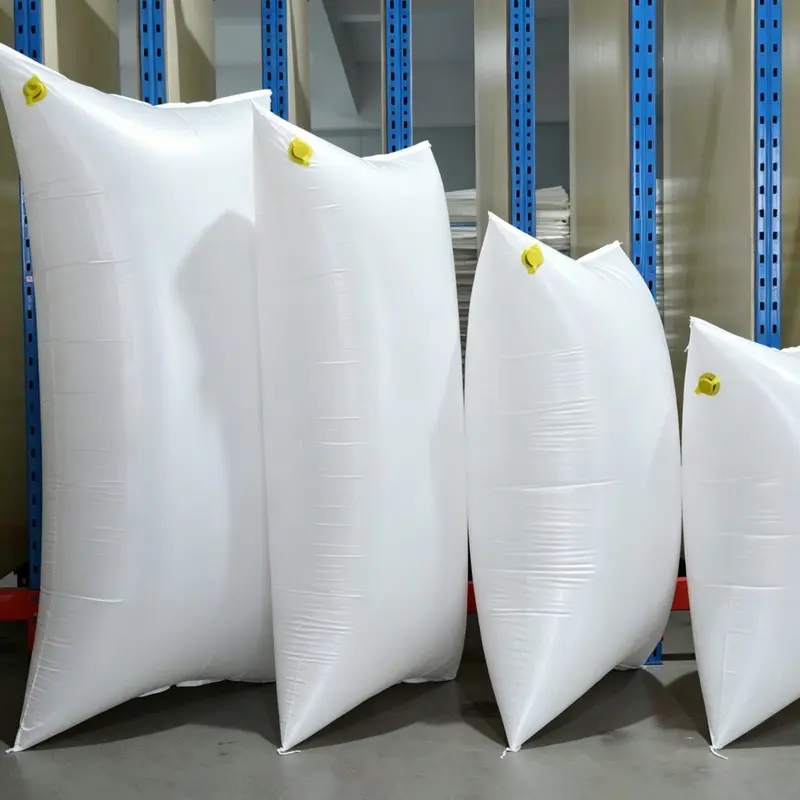
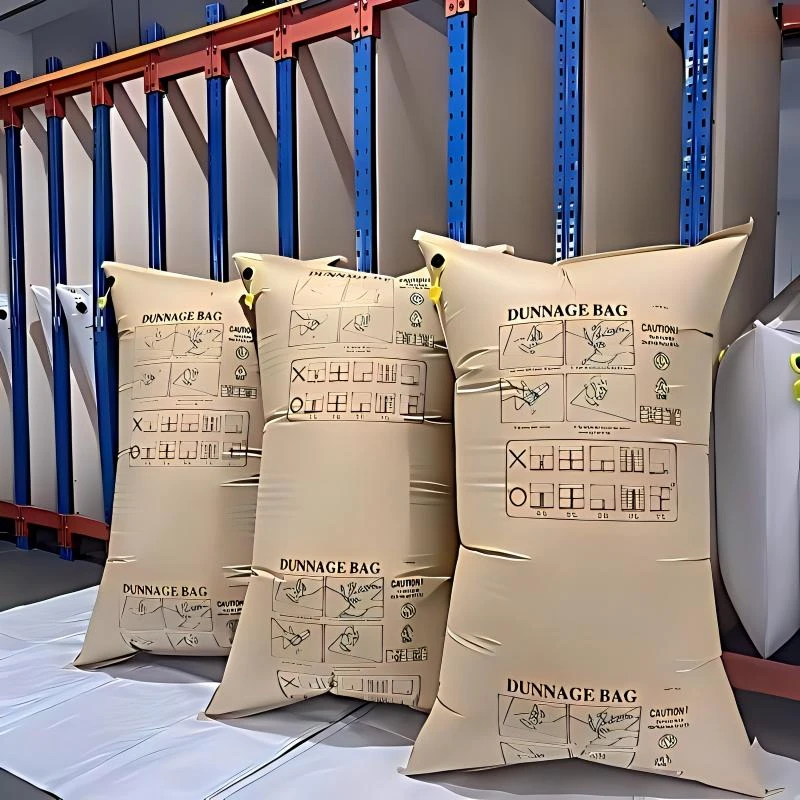
2. Dunnage Air Bags
Dunnage air bags are commonly used to fill voids between cargo units.
They can help stabilize pallets, cartons, bags, and other packaged cargo by reducing available movement space.
The correct bag size, performance level, filling pressure, and allowable gap should be selected according to the cargo and manufacturer’s specifications.
Dunnage bags should not automatically be placed directly against container doors. Appropriate precautions are necessary to prevent unsafe door movement when the container is opened.
For some loading configurations, dunnage bags work particularly well when combined with other restraint methods.
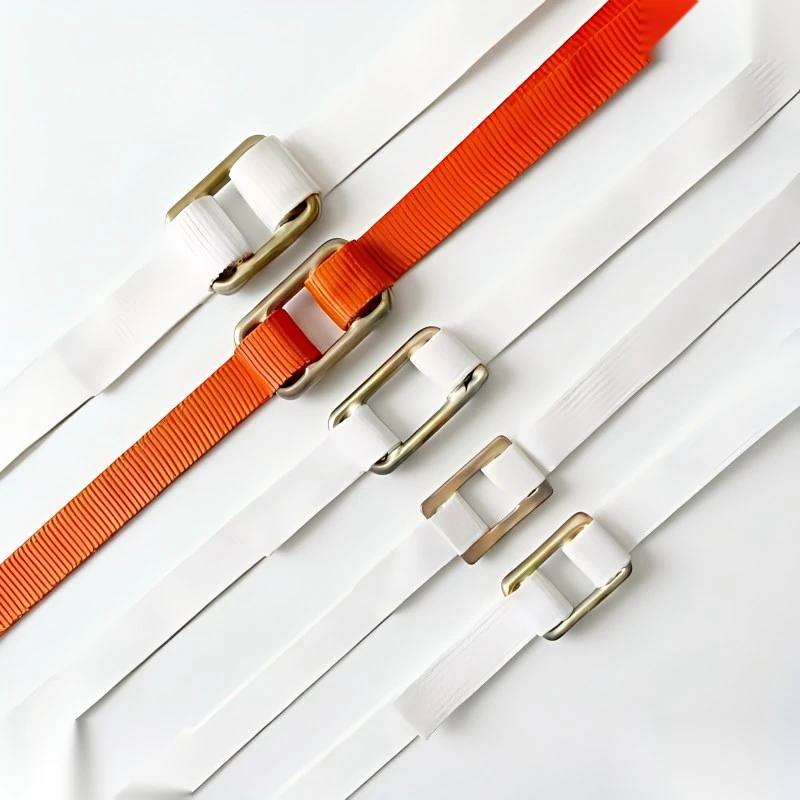
3. Composite and Woven Lashing
Composite and woven strapping can be used to secure cargo units and reduce movement inside a container.
These systems are flexible and can be adapted to different cargo configurations.
Depending on the application, they may be used around pallets, bundles, coils, machinery, or other cargo units.
The actual restraint capacity depends not only on the strap strength but also on the anchoring method, buckle, tension, lashing angle, edge protection, and overall system configuration.
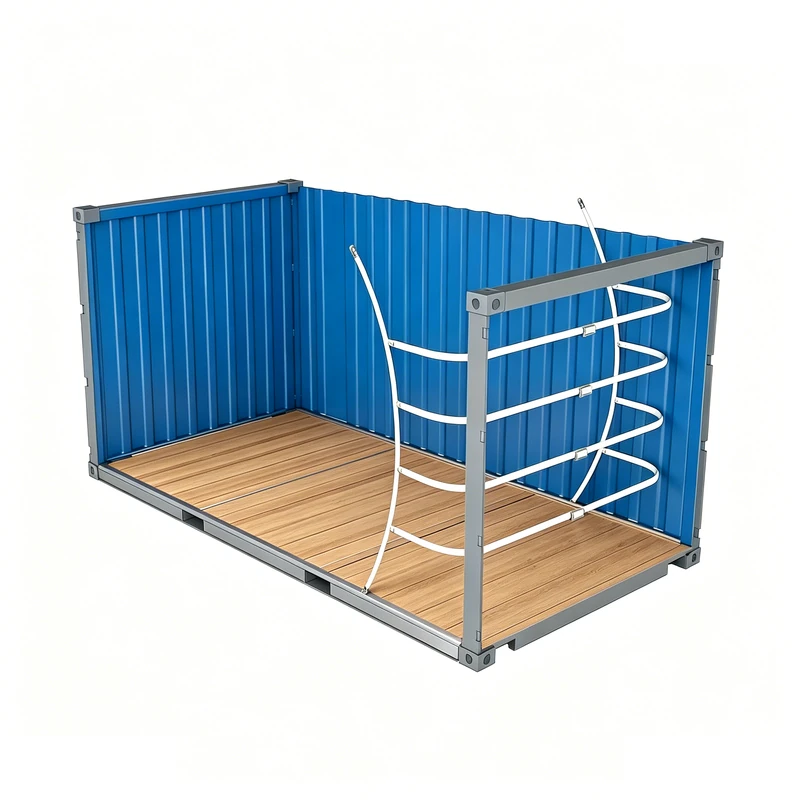
4. Container Door Lashing
Container door lashing is specifically designed to provide restraint near the door end of a container.
A typical system forms a modular webbing barrier anchored to corner posts spanning across the freight.
This restraint eliminates void gaps, intercepts dynamic surges, and prevents catastrophic cargo spillage during door opening at destination terminals.
It is particularly useful when the cargo configuration makes traditional blocking difficult or when additional door-end restraint is required.
However, container door lashing should be viewed as one component of the overall cargo securing system, rather than a universal replacement for other securing methods.
When Should You Use Container Door Lashing?
Container door lashing can be useful in situations where cargo is relatively close to the doors and additional restraint is required.
Palletized and Boxed Cargo
Palletized and boxed cargo can shift when there are gaps between pallets or between the final pallet and the doors.
A door-end lashing system can provide an additional restraint layer across the front of the cargo.
Bagged and Flexible Cargo
Bagged resin, FIBC big bags, and flexible freight tend to bulge and migrate into door voids under ocean vibrations.
Combining void filling (dunnage bags) with a flexible textile door restraint absorbs these localized deformations far better than rigid lumber blocking.
Mixed or Unevenly Loaded Cargo
Mixed cargo can create irregular gaps and different load heights.
A flexible webbing restraint can be adapted to the actual cargo arrangement and may be useful when rigid blocking is difficult to install.
The final configuration should always be determined according to the actual cargo characteristics and available securing points.
How to Select the Right Container Lashing System
Selecting a container lashing system should start with the cargo rather than the strap itself.
Several factors need to be considered.
Cargo Weight and Dimensions
The weight, height, width, and length of the cargo influence how much restraint may be required.
Heavy cargo and tall cargo can generate significantly different forces during transportation.
Cargo Center of Gravity
The center of gravity affects how easily cargo can tip or move.
A tall load with a high center of gravity may require a different restraint arrangement from a low and compact load, even when the total weight is similar.
Lashing Point and Anchor Position
The strength and location of the container’s designated lashing points should be verified before installation.
The anchoring configuration affects the overall performance of the restraint system.
The strap itself should not be evaluated separately from the buckle, anchor, and connection system.
Lashing Strength and Restraint Geometry
A higher strap breaking strength does not automatically mean a higher-performing restraint system.
The effective capacity depends on factors such as:
Webbing strength
System strength
Anchor strength
Lashing angle
Number of restraint points
Pre-tension
Cargo geometry
Edge protection
This is why the complete system should be considered during product selection.
Edge Protection
Webbing can be damaged by sharp corners or rough cargo surfaces.
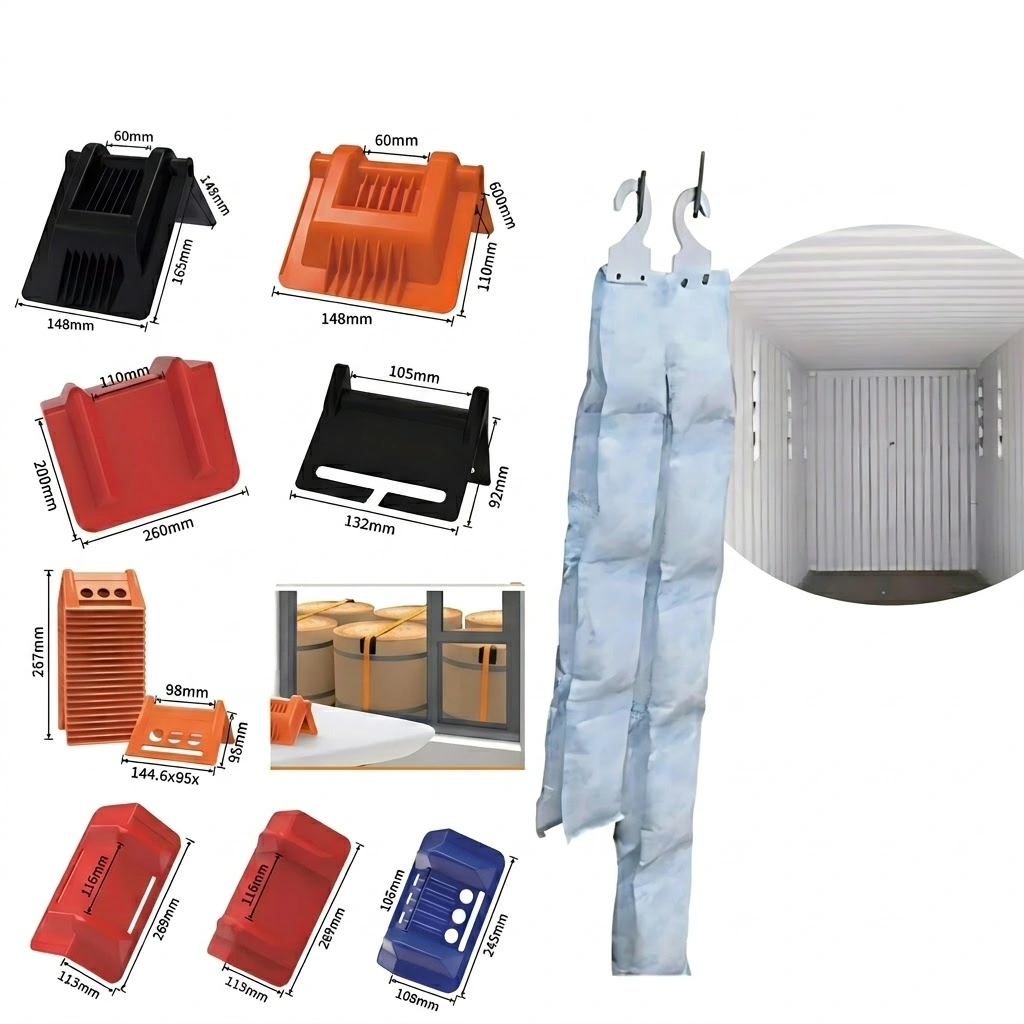
Suitable edge protection should be used where necessary to reduce cutting, abrasion, or localized stress on the webbing.
Example: 32mm Woven Container Door Lashing
For applications involving heavier palletized or packaged cargo, a 32mm woven lashing system can provide a strong and flexible door-end restraint solution.
One example configuration is:
Specification Example
Webbing Width 32mm
Linear Strength ≥2000 daN
System Strength ≥3200 daN
Type Fixed / Movable
Application Container door-end cargo restraint
Suitable Cargo Heavy / palletized / packaged cargo
The important distinction is between linear strength and system strength.
Linear strength refers to the strength of the webbing itself under the specified test conditions.
System strength refers to the performance of the complete restraint assembly, including relevant components and connections.
Therefore, when comparing different container lashing products, buyers should not look only at the webbing width or strap breaking strength.
The complete restraint system should be evaluated.
Container Cargo Securing Methods: Which One Should You Choose?
Different securing methods solve different problems.
Method Main Function Typical Applications
Blocking & Bracing Physically prevent cargo movement Heavy / rigid cargo
Dunnage Air Bags Fill voids and stabilize cargo Pallets / cartons / mixed cargo
Composite & Woven Lashing Restrain cargo units Pallets / bundles / coils
Container Door Lashing Restrain cargo near doors Door-end protection
Combined Methods Address multiple movement risks Complex / mixed loads
In many real-world loading situations, the most effective solution is not one individual product.
For example:
Dunnage bags + internal lashing + door-end lashing
may provide better overall control than relying on any single method.
The correct combination depends on the cargo and loading arrangement.
How to Install a Container Door Lashing System
A proper installation is essential for the restraint system to perform as intended.
1. Inspect the Container and Lashing Points
Before installation, check the container condition and verify that the designated lashing points are suitable for the intended restraint system.
Do not use damaged or unsuitable anchor points.
2. Install the Anchor Assembly
Connect the lashing system to the appropriate anchor points according to the system design.
Make sure all connection components are properly engaged.
3. Position the Webbing Correctly
Position the webbing across the cargo at an appropriate height.
The restraint should contact the cargo in a way that helps control movement without creating unnecessary pressure on vulnerable packaging.
4. Apply Appropriate Pre-Tension
Apply sufficient tension to remove unnecessary slack and stabilize the cargo.
Avoid excessive tension that could damage the cargo, container, or securing components.
The CTU Code also advises against overtightening web lashings.
5. Protect the Webbing From Sharp Edges
Use appropriate edge protection wherever the webbing contacts sharp or abrasive cargo surfaces.
This helps maintain webbing integrity during transportation.
6. Check the Restraint Before Closing the Doors
Before closing the container, inspect:
Anchor connections
Webbing position
Tension
Cargo stability
Edge protection
Remaining voids
Potential contact with the doors
The final restraint should be visually inspected before the container leaves the loading area.
What Should You Check Before Loading a Container?
Good cargo securing begins before the first pallet enters the container.
Check Cargo Stability
Understand the cargo’s weight, dimensions, packaging, and center of gravity.
Identify which cargo units are most likely to move or tip.
Minimize Excessive Voids
Avoid unnecessary spaces between cargo units.
Where voids cannot be avoided, consider suitable void-filling or restraint methods.
The CTU Code provides guidance on limiting horizontal voids and using appropriate measures when gaps could allow cargo movement.
Consider Friction and Load Distribution
Do not assume that friction alone will keep cargo in position.
Consider the contact surfaces, cargo weight distribution, floor conditions, and transportation environment.
Plan the Door-End Restraint in Advance
Door-end protection should be considered during loading planning rather than added as an afterthought.
Determine where the restraint will be installed and ensure that suitable anchoring points and access are available.
A Practical Approach to Preventing Cargo from Falling Out
A practical cargo securing strategy can be summarized as:
Minimize voids → Stabilize the cargo → Select the right restraint → Protect the webbing → Secure the door end → Inspect before opening
Different cargoes require different combinations of these measures.
For example:
Heavy rigid cargo may require blocking and bracing.
Palletized cargo with gaps may benefit from dunnage bags.
Bundled cargo may require composite or woven lashing.
Cargo positioned close to the container doors may require additional door-end restraint.
Complex loads may require a combination of several methods.
The goal is not simply to find the strongest strap.
The goal is to develop a cargo restraint system appropriate for the actual loading conditions.
Tensipack Container Cargo Securing Solutions
At Tensipack, we provide a range of cargo securing and industrial packaging products for different container loading requirements.
Our product range includes:
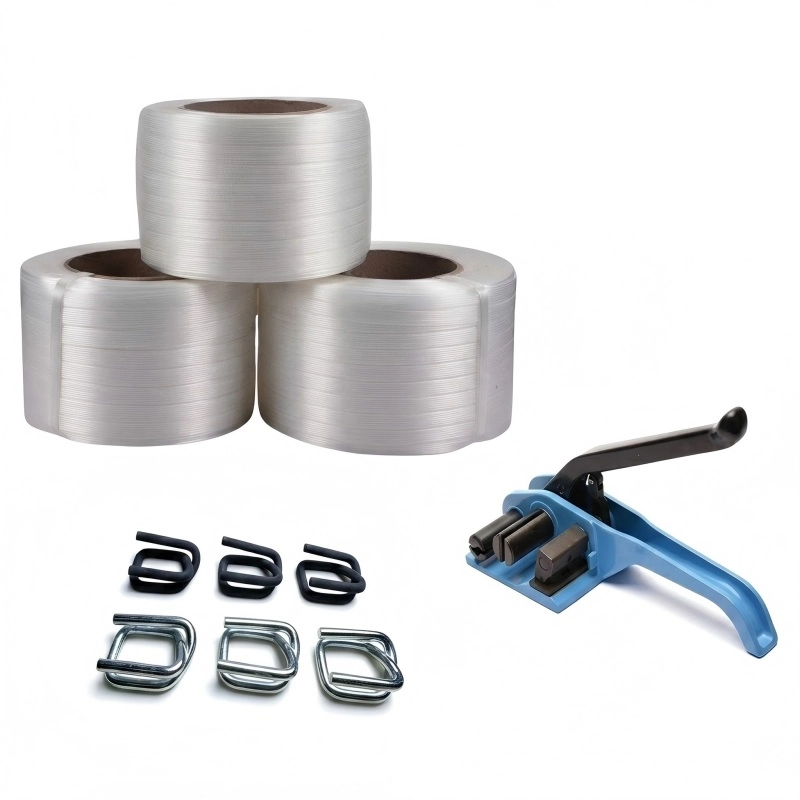
Composite Strapping
Composite strapping provides flexible cargo restraint for pallets, bundles, coils, and other applications where high-strength non-metallic strapping is required.
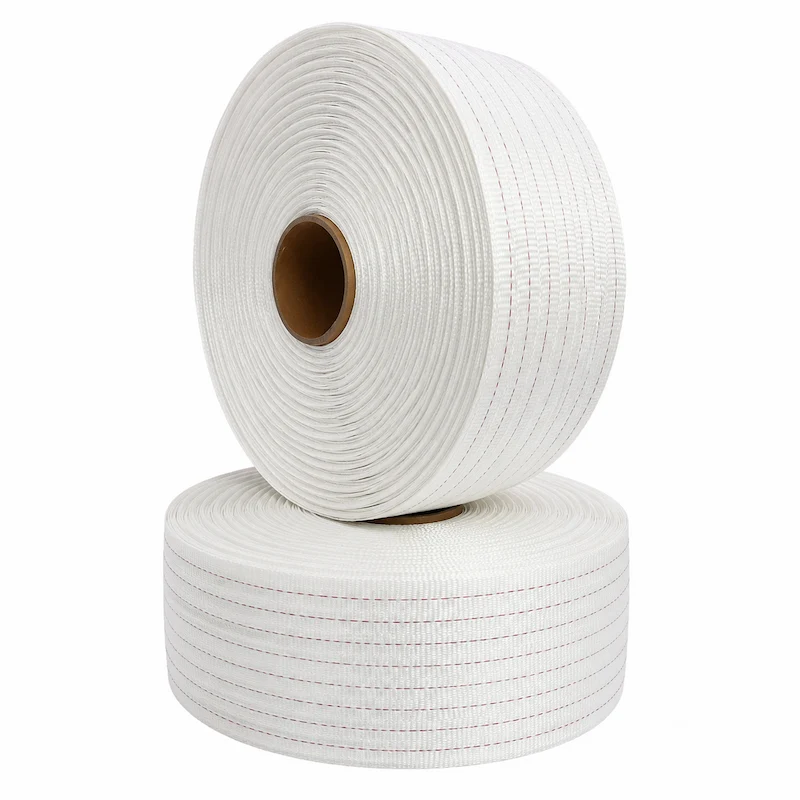
Woven Strapping
Woven strapping is suitable for applications requiring flexible and strong cargo restraint.
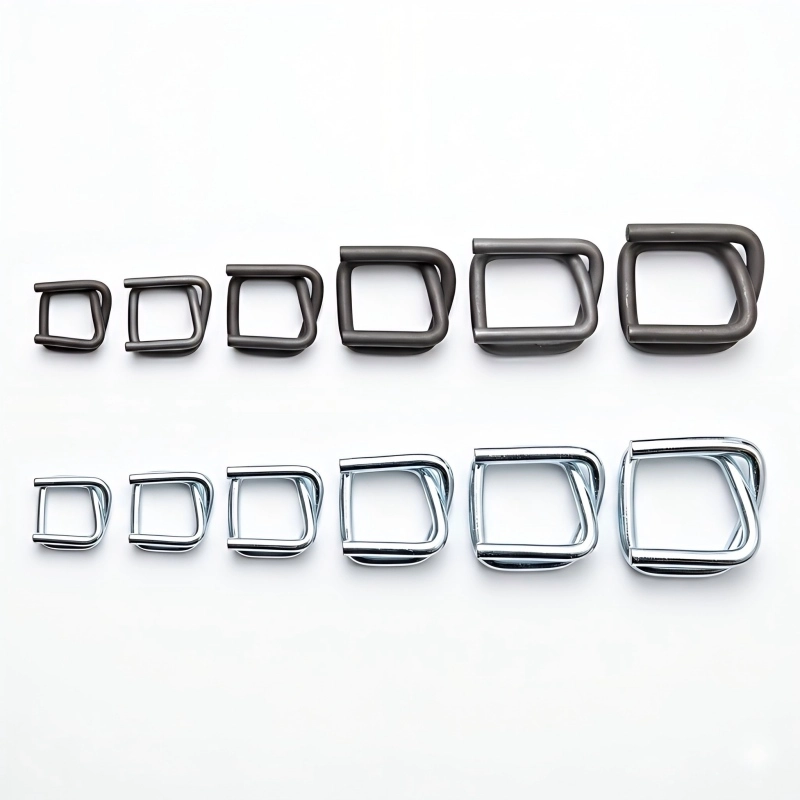
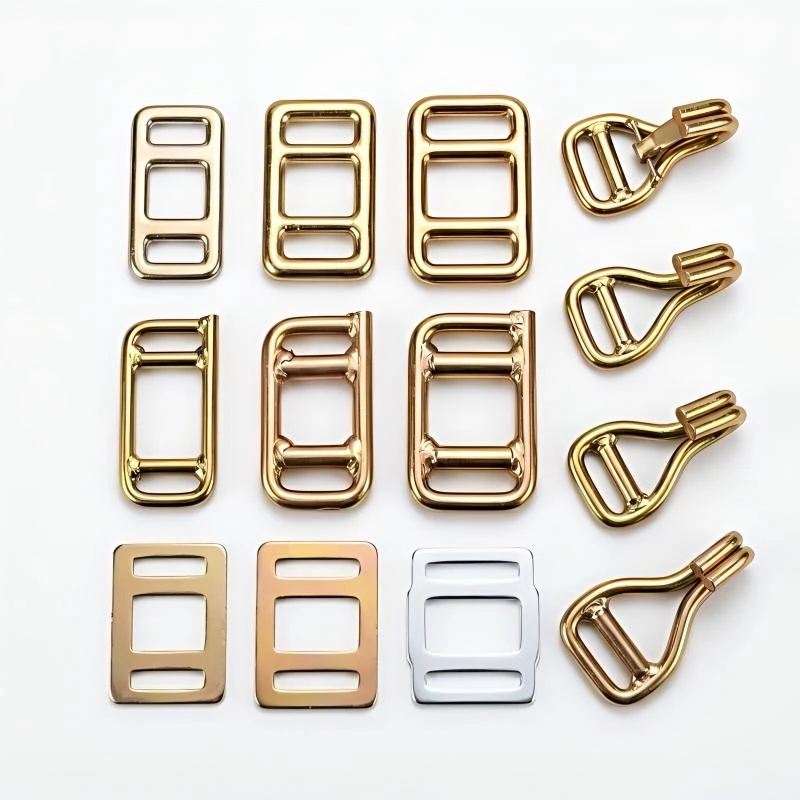
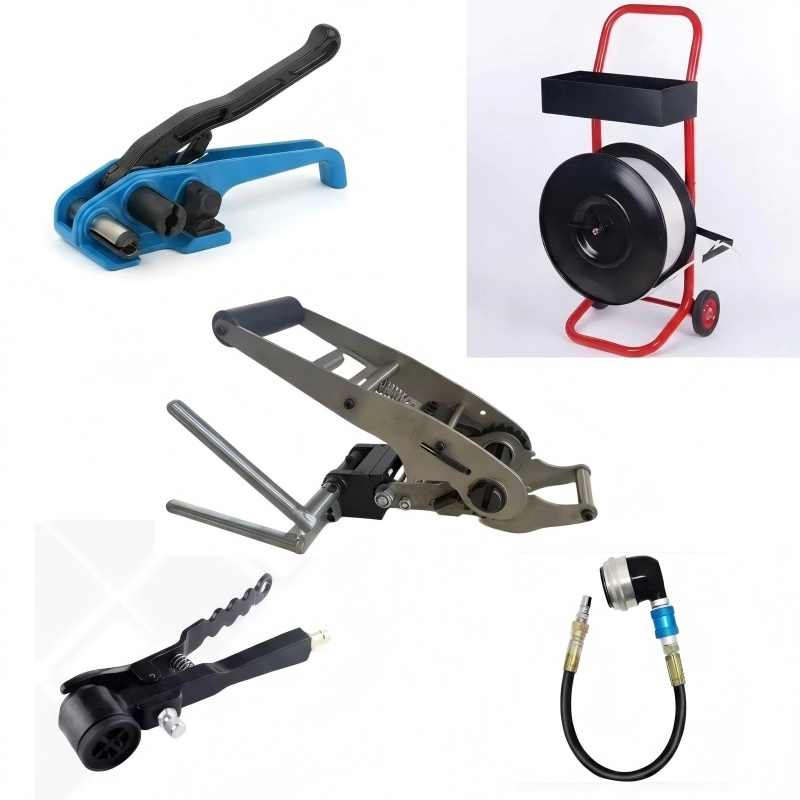
It can be used with compatible buckles and tensioning tools.
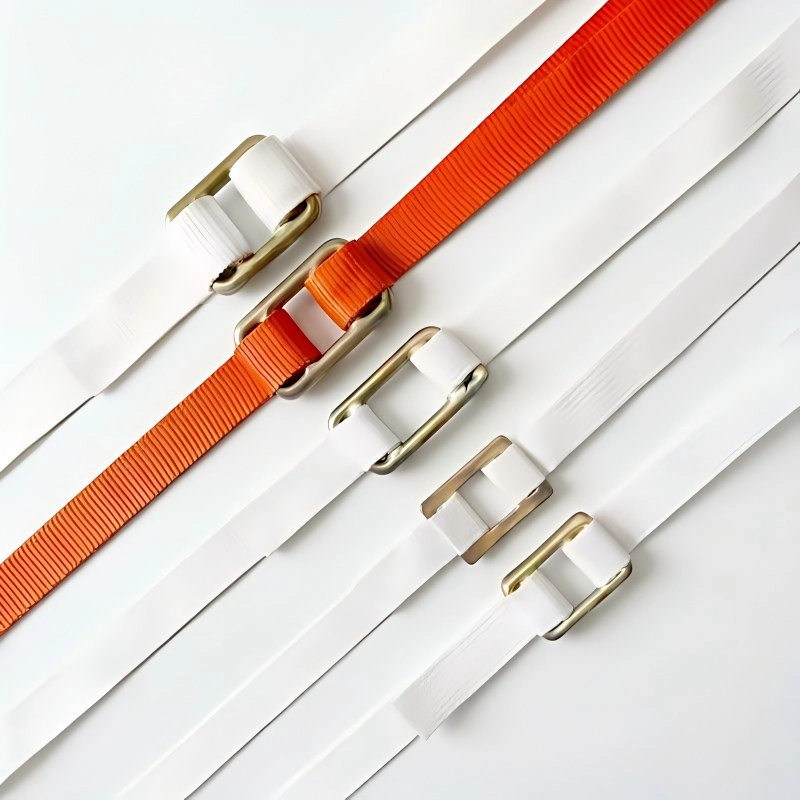
Woven Lashing
Woven lashing is available for heavier cargo securing applications where higher system strength is required.
Container Door Lashing
Tensipack container door lashing systems (modular safety nets) provide engineered door-end barricades for standard GP and High Cube containers.
Available in both fixed and vertically movable horizontal webbing setups to accommodate varied pallet heights and drum configurations.
Dunnage Air Bags
Dunnage air bags can be used to fill suitable voids and stabilize cargo during transportation.
They can also be considered as part of a combined cargo securing solution.
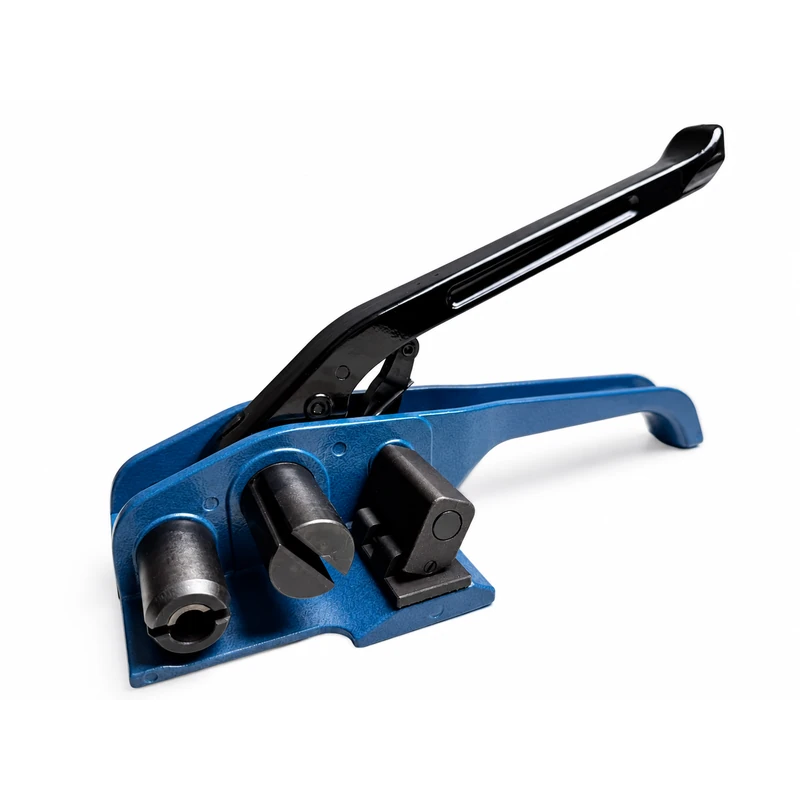
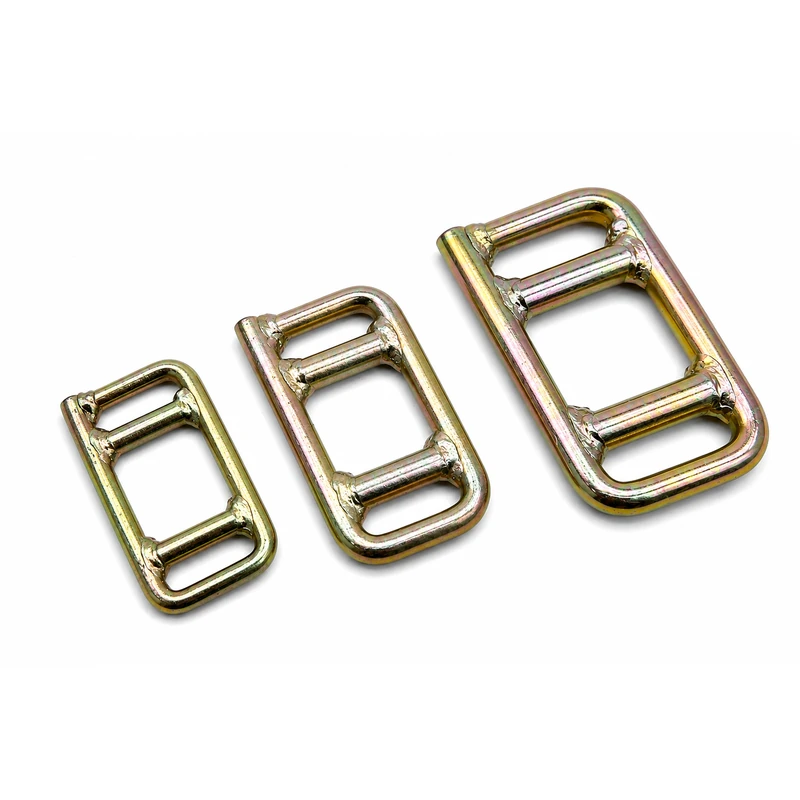
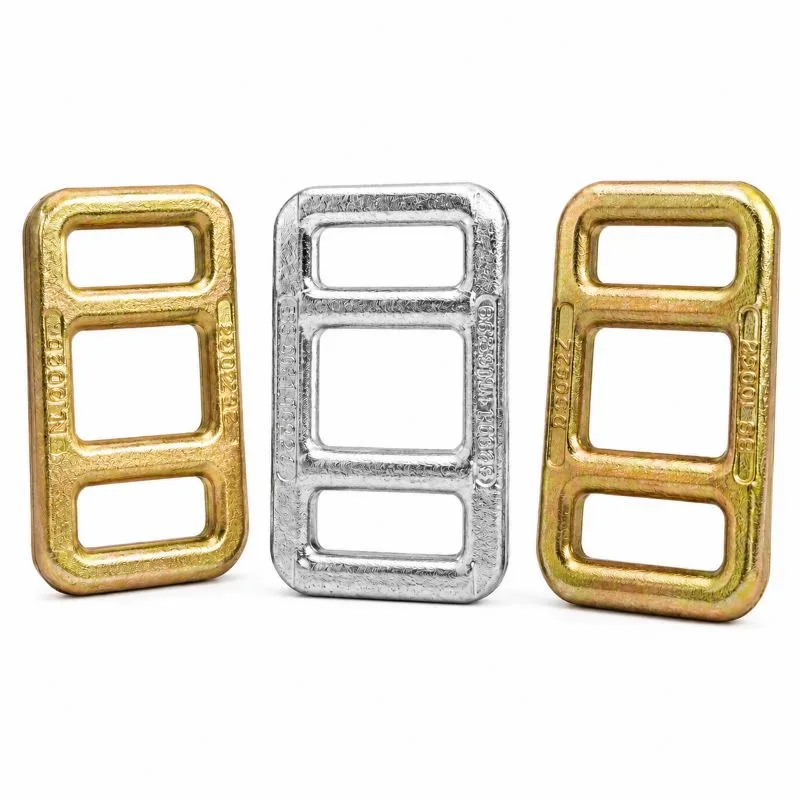
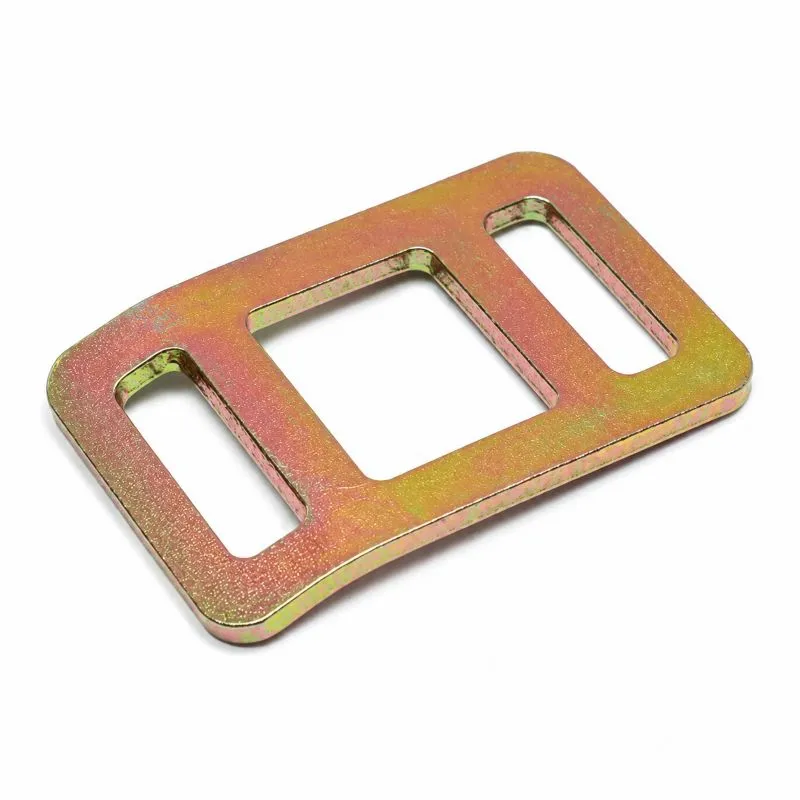
Buckles and Tensioning Tools
Suitable buckles and tensioning tools help complete the cargo securing system and ensure that the restraint components work together properly.
Conclusion: Prevent Cargo Collapse Before Opening the Container
Cargo falling out of a container is not simply a door problem.
It is usually the result of cargo movement, excessive voids, insufficient restraint, friction conditions, and loading configuration.
The CTU Code provides a useful framework for understanding these risks and selecting appropriate securing methods.
Depending on the application, solutions may include:
Blocking and bracing, dunnage air bags, composite strapping, woven lashing, container door lashing, or a combination of these methods.
For door-end applications, container door lashing can provide an additional layer of protection and help reduce the risk of cargo falling out when the container is opened.
However, the correct system should always be selected based on the actual cargo, loading configuration, securing points, restraint strength, and transportation conditions.
At Tensipack, we can help evaluate your cargo securing requirements and recommend a suitable combination of strapping, lashing, dunnage bags, buckles, and tensioning tools.
Secure Every Load. Deliver With Confidence.
Contact Tensipack for a cargo securing solution tailored to your loading requirements.