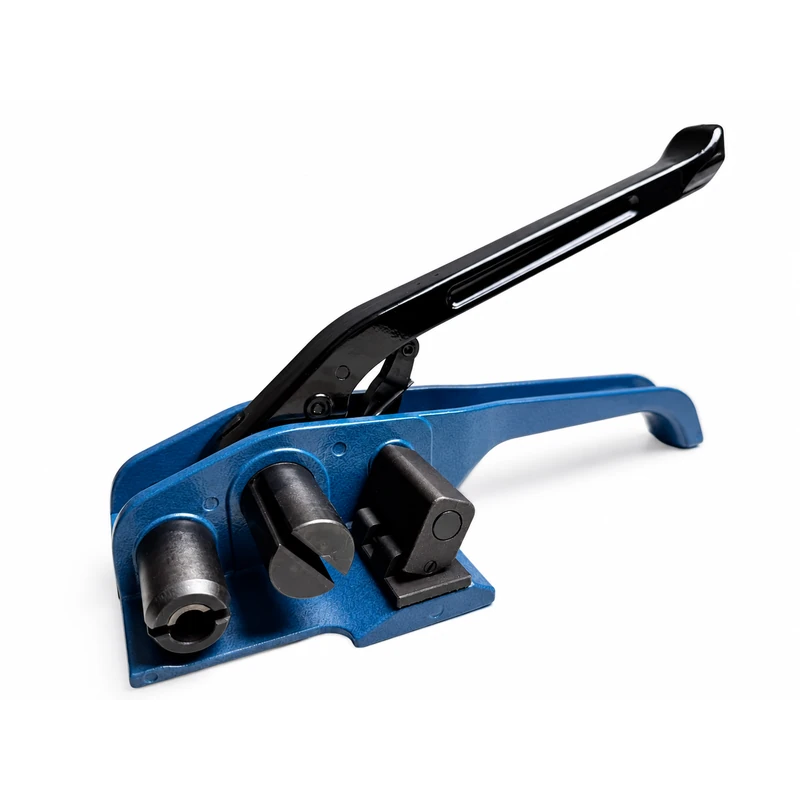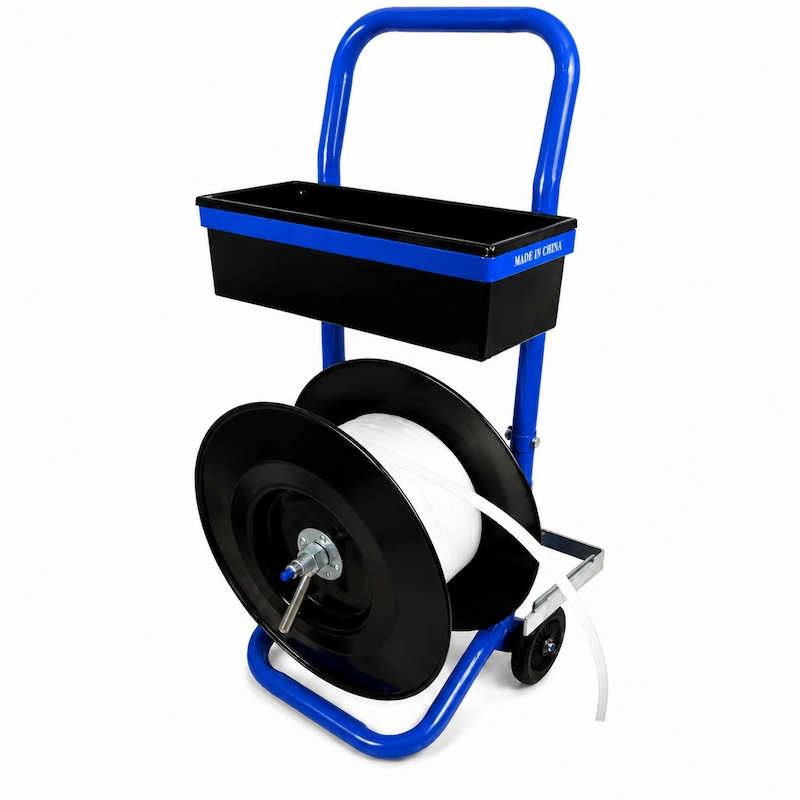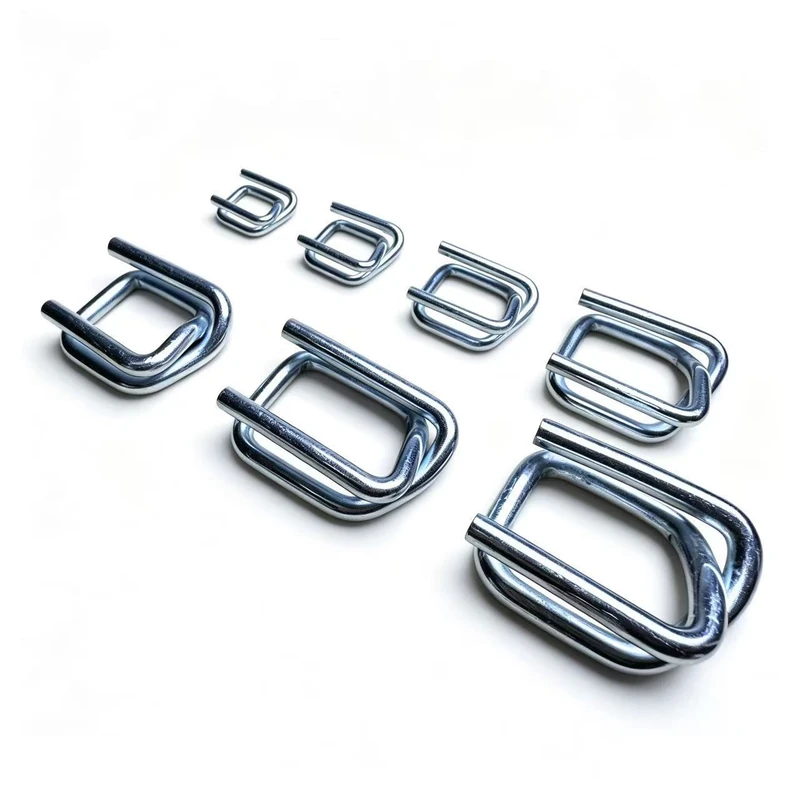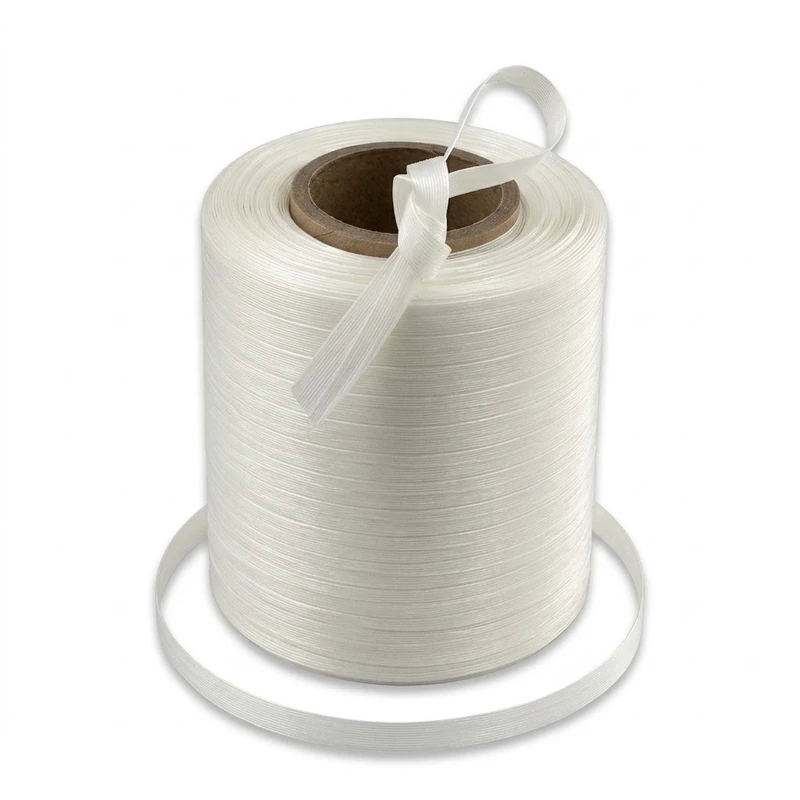

Using composite strapping correctly involves more than simply wrapping the strap around a load and pulling it tight. The wire buckle must be threaded correctly, the tensioner must be properly positioned, and the finished connection should be checked before the load is moved.
This guide explains how to use composite strapping step by step, from threading the wire buckle and operating a manual tensioner to checking the finished connection.
1. What You Need Before You Start
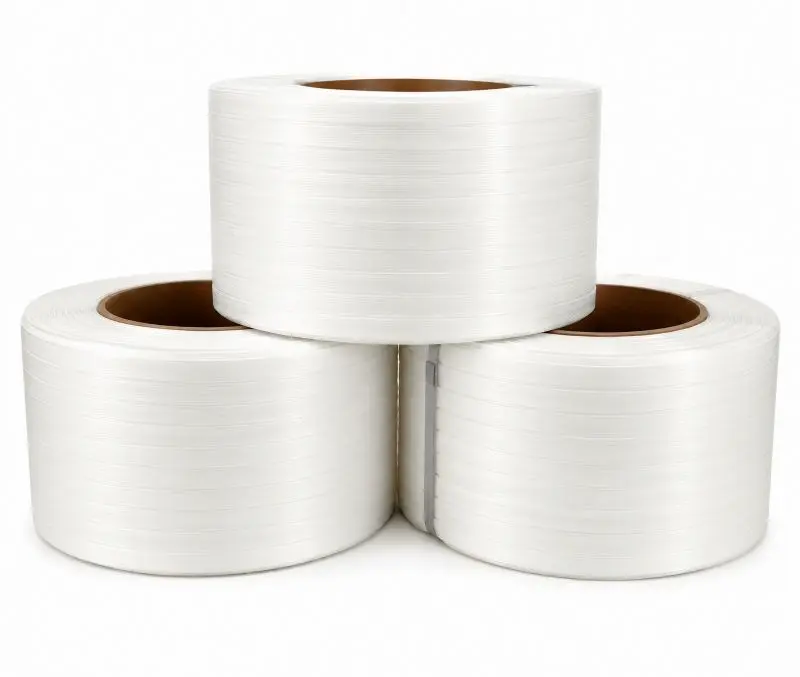
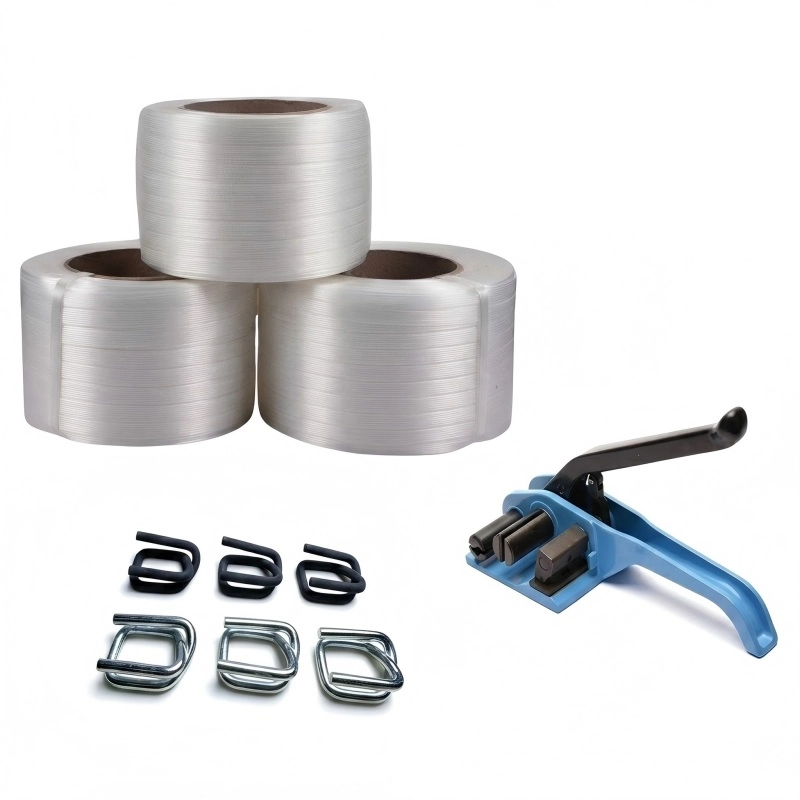
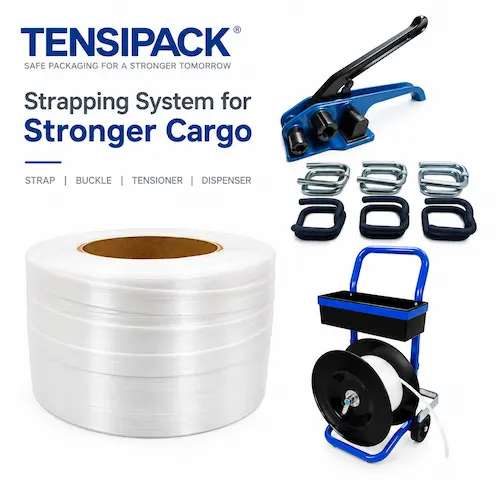
A basic manual composite strapping system normally includes:
Polyester composite cord strapping
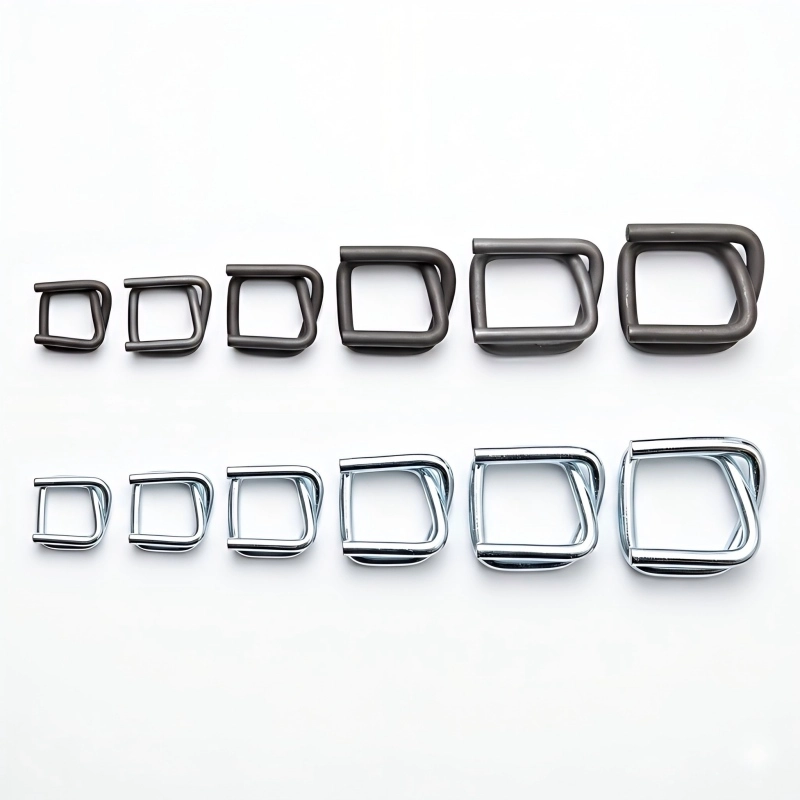
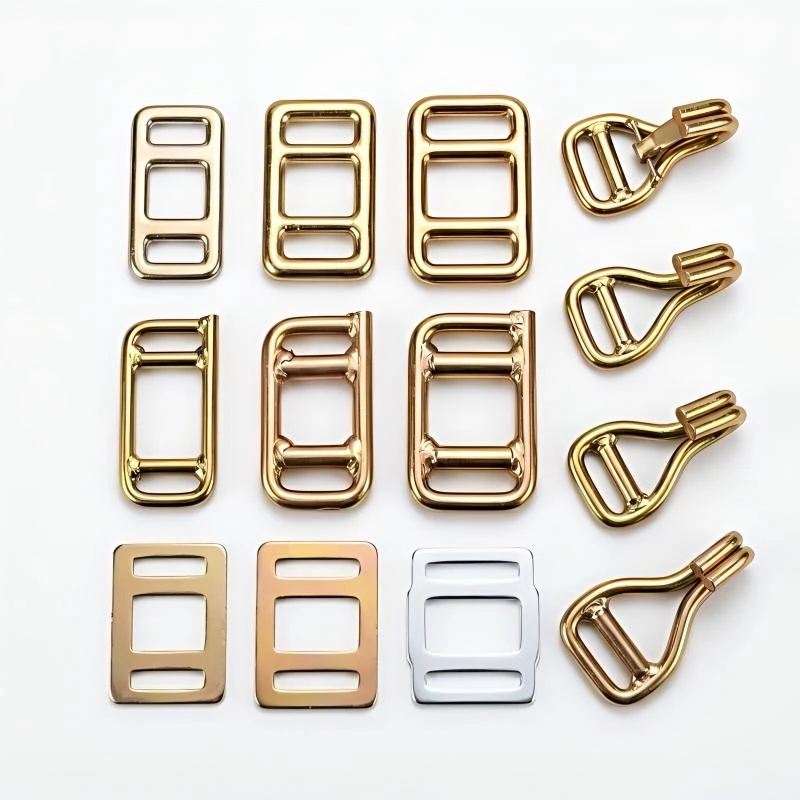
Galvanized wire buckles
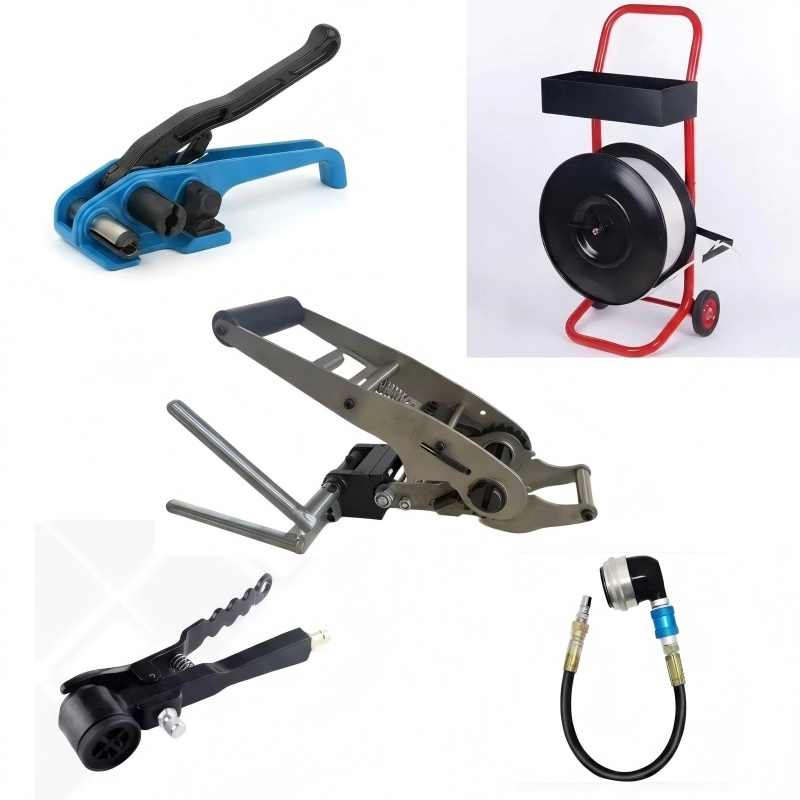
Manual strapping tensioner
Strap dispenser
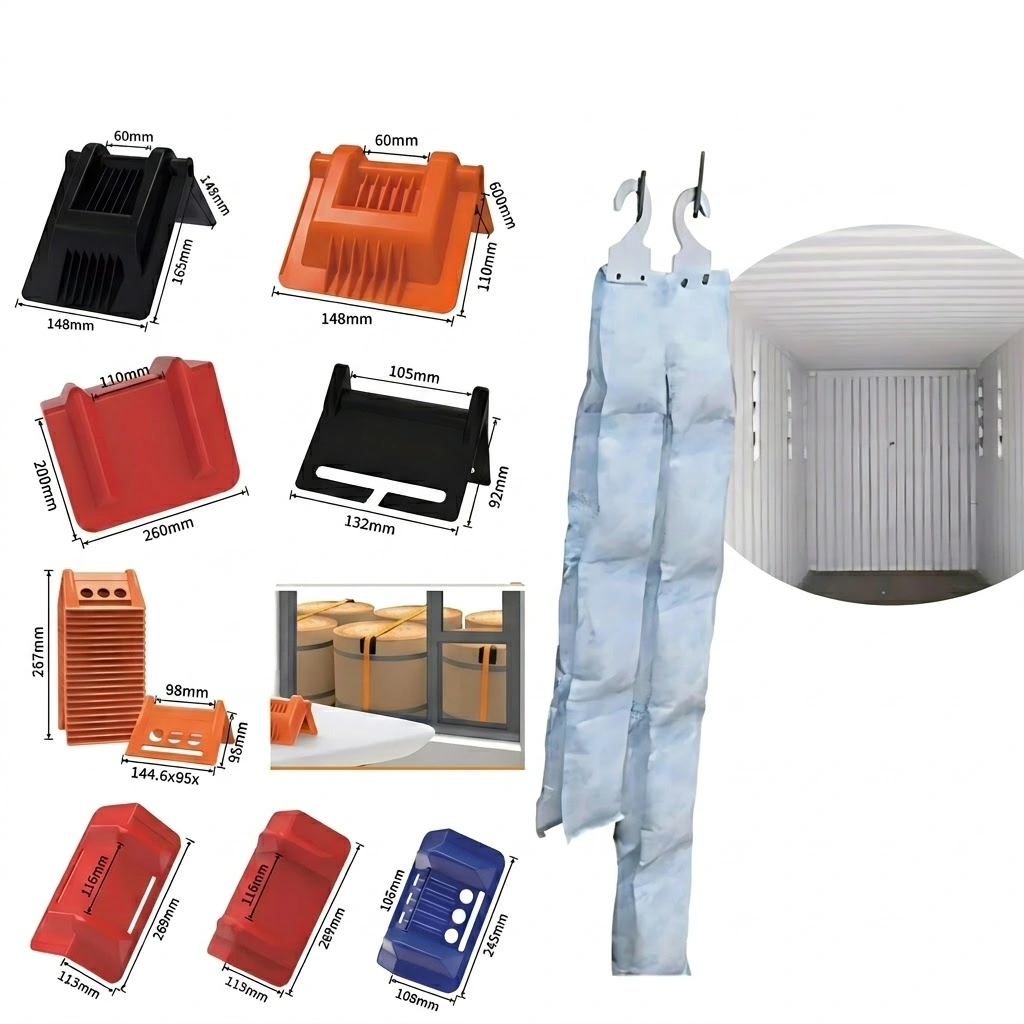
Edge protectors, where required
The strap, buckle, and tensioner should be treated as parts of one system.
For example, two straps may both be 19 mm wide but have different strength grades and recommended buckle wire diameters. So do not choose a buckle by strap width alone.
Composite strapping is generally paired with galvanized wire buckles, while the tensioner should be suitable for the strap width being used.
For detailed buckle selection, see How to Choose the Right Wire Buckle for Polyester Strapping.
2. How to Thread Composite Strapping Through a Wire Buckle
Correct buckle threading is one of the most important parts of learning how to use composite strapping.
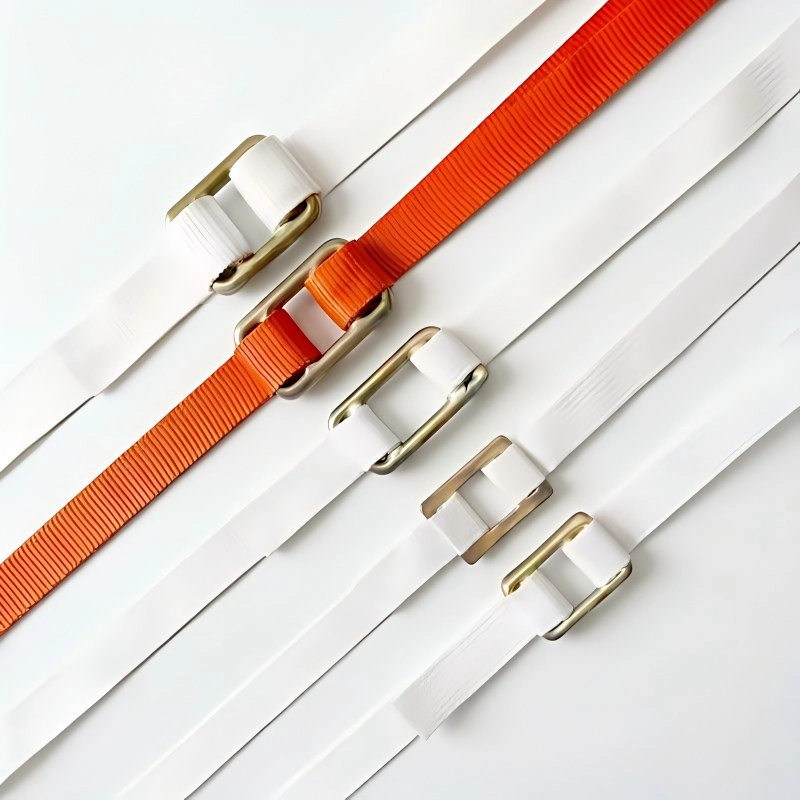
The wire buckle creates a friction-locking connection as the strap is tensioned. If the strap is incorrectly threaded or twisted around the buckle, the connection may not perform as intended.
Follow these basic steps:
Pass the composite strap around the load.
Take one end of the strap and form a loop.
Insert the loop through the center of the wire buckle from underneath.
Pull the loop over one side of the buckle and tighten it into position.
Pull the strap around the load to remove loose material.
Form a second loop with the other section of the strap.
Insert it through the buckle and loop it over the opposite side.
Pull the strap by hand to remove the remaining slack before using the tensioner.
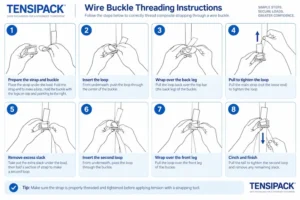
Before tensioning, check that the strap sits flat in the buckle and that the two sections are not crossed or twisted.
The buckle should also remain correctly aligned with the direction of the strap.
3. How to Use a Manual Tensioner with Composite Strapping
Once the buckle is correctly threaded and most of the slack has been removed by hand, the manual tensioner can be used.
3.1 Position the Tensioner
Place the tensioner on the strap close enough to the buckle for normal tool operation.
Feed the strap through the tensioner according to the tool design and make sure the gripping mechanism engages the strap correctly.
The tensioner should remain aligned with the strap rather than pulling sideways.
3.2 Apply Tension Gradually
Operate the tensioner handle to tighten the strap.
Watch the strap, buckle, and cargo while tensioning. The objective is not simply to make the strap as tight as possible.
Check that:
the strap remains flat;
the buckle stays correctly positioned;
the strap does not move onto a sharp edge;
the packaging is not being crushed or damaged;
the load remains correctly positioned.
There is no single tension value suitable for every composite strapping application. Appropriate tension depends on the strap grade, buckle, cargo, packaging, tensioner, and securing arrangement.
3.3 Cut the Strap and Remove the Tensioner
Once suitable tension has been achieved, cut the excess strap using the cutter on the tensioner, where applicable.
Release the tool carefully and remove it from the strap.
The buckle remains in the connection and holds the tensioned strap through friction.
4. How to Check the Finished Connection
Do not judge the finished system only by how tight the strap feels.
After removing the tensioner, check the following points.
Buckle engagement:
The strap should remain correctly seated around the wire buckle.
Strap alignment:
The strap should lie flat without unnecessary twisting.
Tension:
There should be no obvious loose section around the load or at the buckle connection.
Contact points:
Check areas where the strap passes over corners or rough surfaces.
Cargo condition:
The load and packaging should not show unnecessary deformation caused by excessive tension.
For sharp metal, timber, crate, or other abrasive edges, suitable edge protection can help prevent concentrated damage to the strap.
5. Can Composite Strapping Be Retensioned?
In some applications, a wire-buckle composite strapping connection allows the strap tension to be adjusted after the initial installation.
This can be useful if the load settles during packing or if additional adjustment is required before shipment.
However, retensioning should not be automatic.
Before adjusting the strap, inspect both the strapping and buckle. If the strap shows significant cuts, abrasion, exposed or damaged fibers, or if the buckle is visibly deformed, replace the damaged component rather than relying on the existing connection.
6. Common Mistakes When Using Composite Strapping
6.1 Incorrect Buckle Threading
If the strap is not correctly looped around the buckle, the connection may not grip as intended.
Always check the buckle before applying final tension.
6.2 Choosing the Buckle by Width Only
A 19 mm buckle is not automatically suitable for every 19 mm composite strap.
Strap strength, buckle wire diameter, and tested system performance should also be considered.
6.3 Twisting the Strap
Keep the strap flat when routing it around the load and through the buckle.
6.4 Applying Excessive Tension
More tension does not automatically mean better securing.
Excessive tension may damage cartons, crates, timber edges, protective packaging, or the cargo itself.
6.5 Leaving Too Much Slack
Remove loose strap by hand before using the tensioner. This makes tensioning more controlled and helps achieve a cleaner connection.
6.6 Ignoring Sharp or Abrasive Edges
Composite strapping is strong, but direct contact with sharp edges can still damage the outer coating and polyester fibers.
Use suitable protection where necessary.
7. Frequently Asked Questions
7.1 What Buckle Should I Use with Composite Strapping?
Galvanized wire buckles are generally recommended for polyester composite cord strapping. Select the buckle according to the strap width, strength grade, and system requirements.
7.2 Do I Need a Tensioner for Composite Strapping?
For industrial load securing and bundling, a suitable tensioner provides more controlled and consistent tension than hand pulling alone.
7.3 How Tight Should Composite Strapping Be?
There is no universal setting for every load. Apply enough tension for the intended bundling or securing function without damaging the cargo or packaging.
7.4 Can Composite Strapping Be Used with Dunnage Airbags?
Yes. In container applications where both restraint and void filling are required, the two systems can be used together.
8. Final Check Before Shipment
Knowing how to use polyester composite cord strapping is mainly about getting a few important details right:
Correct Strap → Correct Buckle → Correct Threading → Controlled Tension → Final Inspection
For buyers, this is also why comparing composite strapping only by price per coil or strap breaking strength does not tell the whole story.
The buckle, tensioner, and connection all affect how the strapping system performs in actual use.
When requesting a recommendation, providing your supplier with the cargo type, approximate load weight, current strap specification, and packing or securing method can make product selection much more accurate.